A CNC Service Technician is the core maintenance specialist who keeps high‑value CNC and automated machinery running at peak performance, minimizing costly downtime. These professionals protect manufacturing throughput by pinpointing and fixing complex mechanical, electrical, control, and software issues that can shut production lines down. Often called machine doctors, they blend hands‑on repair ability with advanced diagnostic skills to solve problems beyond the scope of standard machine operators.
This guide explains what CNC Service Technicians do, the skills they need, and how the career path typically progresses from CNC operator into higher‑level service roles. It also covers salary expectations, industry demand, and how emerging technologies like Industry 4.0 and predictive maintenance are reshaping the role.
Key Takeaways
- CNC Service Technicians are specialized maintenance experts who diagnose and repair complex automated machinery beyond basic operator capabilities.
- The role requires mechanical repair skills, electrical fault finding with PLC logic, and geometric calibration expertise.
- Career progression moves from CNC operator to technician through specialized OEM training and diagnostic software proficiency.
- Average salaries range from $63,000-$86,000+ depending on experience and field service specialization.
- Strong job growth exists in Australia’s manufacturing sector with excellent advancement opportunities.
The manufacturing industry relies heavily on these technical specialists to maintain expensive CNC equipment that can cost hundreds of thousands of dollars.
Core Responsibilities of CNC Service Technicians

CNC Service Technicians handle three primary areas of expertise that distinguish them from regular machine operators. Their diagnostic duties span mechanical systems, electrical components, and precision calibration work. Each area requires specialized training and years of experience to master effectively.
The scope of their work extends far beyond basic troubleshooting. They must understand complex machine tool repair procedures and work with sophisticated diagnostic equipment daily.
1. Mechanical Repair and Component Replacement
Technicians diagnose worn spindle bearings, damaged tool changers, and faulty coolant systems that affect machining accuracy. They replace hydraulic seals, rebuild pneumatic cylinders, and perform precision alignments on machine components.
2. Electrical Fault Finding and PLC Logic
Advanced troubleshooting CNC systems requires reading electrical schematics and understanding programmable logic controller operations. Technicians locate short circuits, replace servo drives, and modify control programs to restore machine functionality.
3. Geometric Calibration and Accuracy Testing
Precision measurement tools help technicians verify machine accuracy within micron tolerances. They adjust ball screw backlash, calibrate tool length offsets, and perform laser interferometer tests to ensure manufacturing quality.
4. Fanuc Controls and Software Diagnostics
Many CNC machines use Fanuc controls that require specialized knowledge to diagnose software-related issues. Technicians interpret alarm codes, update machine parameters, and troubleshoot communication problems between control systems.
5. Preventive Maintenance Scheduling
Regular maintenance prevents costly breakdowns and extends machine life significantly. Technicians create maintenance schedules, track component wear patterns, and recommend upgrades to improve reliability.
6. Field Service and Emergency Response
Some technicians travel to customer sites for urgent machine tool repair situations. They carry specialized tools and spare parts to minimize production downtime during critical manufacturing periods.
These responsibilities require continuous learning as CNC technology evolves rapidly. New control systems and machining capabilities emerge regularly in the manufacturing industry.
Career Path From CNC Operator to Service Technician

The journey from CNC operator to service technician represents a significant career advancement in manufacturing. Most technicians start as machine operators and gradually develop the technical skills needed for complex troubleshooting work. This progression typically takes 3-5 years of dedicated learning and hands-on experience.
The transition requires specialized training that goes well beyond basic machine operation. Employers often sponsor promising operators for advanced technical education programs.
1. Foundation as CNC Machinist
Operators learn basic machine functions, part programming, and quality control procedures during their first 1-2 years. This foundational knowledge provides essential understanding of how machines should perform under normal conditions.
2. Advanced Technical Training
Specialized courses cover electrical systems, hydraulics, and computer networking specific to CNC equipment. Many programs include hands-on labs with actual machine components and control systems.
3. OEM Certification Programs
Machine manufacturers like Mazak, Haas, and DMG Mori offer intensive training on their specific equipment. These certifications demonstrate expertise with particular machine brands and control systems.
4. Diagnostic Software Proficiency
Modern CNC machines require specialized software for parameter adjustment and system diagnostics. Technicians must master these tools to perform effective troubleshooting and calibration work.
5. Field Service Experience
Working directly with customers develops communication skills and exposes technicians to diverse manufacturing environments. This experience builds confidence in handling complex technical problems independently.
| Career Stage | Typical Duration | Key Skills Developed | Average Salary Range |
|---|---|---|---|
| CNC Operator | 1-2 years | Basic programming, setup, quality control | $45,000-$55,000 |
| Maintenance Trainee | 1-2 years | Electrical basics, mechanical repair | $50,000-$60,000 |
| CNC Service Technician | 3+ years | Advanced diagnostics, PLC logic | $63,000-$75,000 |
| Field Service Engineer | 5+ years | Customer service, complex troubleshooting | $75,000-$86,000+ |
At Dayjob Recruitment, we regularly place candidates at every stage of this career progression. Our daily job listings include opportunities for both entry-level operators and experienced service technicians across Australia’s manufacturing sector.
Essential Skills for CNC Maintenance Success

Successful CNC Service Technicians combine technical expertise with problem-solving abilities and strong communication skills. The role demands both analytical thinking and hands-on mechanical aptitude. Modern manufacturing environments require technicians who can adapt quickly to new technologies and work effectively under pressure.
These professionals must stay current with rapidly evolving automation technologies. Continuous learning becomes essential for long-term career success in this field.
1. Electrical and Electronics Knowledge
Understanding three-phase power systems, servo motors, and encoder feedback helps technicians diagnose complex electrical faults. They must read wiring diagrams and use multimeters to locate problems in control circuits.
2. Mechanical Systems Expertise
Knowledge of bearings, gears, hydraulics, and pneumatics enables effective mechanical troubleshooting. Technicians must understand how these systems interact to maintain machine accuracy and reliability.
3. Computer and Networking Skills
Modern CNC machines connect to factory networks for data collection and remote monitoring. Technicians need basic IT skills to configure network connections and troubleshoot communication issues.
4. Safety and Compliance Awareness
Working with high-voltage electrical systems and heavy machinery requires strict adherence to safety protocols. Technicians must understand lockout/tagout procedures and wear appropriate protective equipment.
5. Customer Service and Communication
Field service technicians interact directly with production managers and machine operators daily. Clear communication helps identify problems quickly and explains repair procedures to non-technical personnel.
6. Documentation and Reporting
Detailed service reports help track machine performance trends and justify maintenance expenses. Technicians must document their work clearly for warranty claims and future reference.
We help skilled technicians find roles that match their expertise level through our visa sponsorship program for international candidates and local placement services.
Salary Expectations and Industry Growth

CNC Service Technicians earn competitive salaries that reflect their specialized skills and the critical nature of their work. Entry-level positions start around $63,000 annually, while experienced field service engineers can earn $86,000 or more. Geographic location, industry sector, and specific technical certifications significantly impact earning potential.
The manufacturing sector continues expanding in Australia, creating strong demand for qualified service technicians. Industry growth projections show sustained need for these professionals over the next decade.
- Entry Level (0-2 years): $56,500-$63,000 annually
- Experienced (3-5 years): $67,000-$75,000 annually
- Senior/Field Service (5+ years): $75,000-$86,000+ annually
- Specialized Roles: Premium rates for Fanuc controls experts and multi-brand technicians
Manufacturing companies invest heavily in retaining skilled service technicians because machine downtime costs thousands of dollars per hour. Many employers offer comprehensive benefits packages including health insurance, retirement contributions, and continuing education support.
The transition from shop floor to service technician typically results in a $10,000-$15,000 annual salary increase. Career advancement opportunities include supervisory roles, training positions, and specialized consulting work.
CNC Service Technician Opportunities in Australia

Australia’s manufacturing sector offers excellent opportunities for skilled CNC Service Technicians across multiple industries and regions. The demand for qualified professionals continues growing as companies invest in advanced automation equipment.
We currently have several exciting positions available that showcase the diversity of opportunities in this field:
Stone Machine Technician — Campbellfield, Melbourne
Stone machine technicians are the fabrication workshop equivalent of the CNC service technician the blog describes — maintaining, troubleshooting, and keeping precision cutting equipment running at peak performance to protect production throughput. This Campbellfield role suits a technically minded tradesperson with strong mechanical aptitude and CNC maintenance knowledge who wants stable, skilled work in a busy Melbourne fabrication environment.
Stone Machine Programmer — Campbellfield, Melbourne
Machine programmers in stone fabrication sit at the intersection of CNC operation and technical systems knowledge — the natural next step for a technician who has mastered machine setup, parameter adjustment, and production optimisation. This Melbourne role suits a technically advanced CNC professional ready to take on programming responsibility alongside their hands-on machine expertise.
GMM CNC Operator — VIC
GMM CNC operation demands the same diagnostic precision, machine calibration awareness, and technical problem-solving that CNC service technicians develop — making it a strong fit for operators who bring more than basic machine-running capability to the floor. This Victorian role offers a technically skilled CNC professional the chance to apply their advanced machine knowledge in a high-spec stone fabrication environment.
CNC Bridge Saw & Waterjet Operator — NSW
Dual-system CNC operators who understand machine behaviour, maintenance routines, and calibration requirements across two cutting technologies bring the kind of technical depth that workshops increasingly value as they push toward higher automation and reduced downtime. This NSW role suits an experienced CNC professional whose machine knowledge goes well beyond operation and into the diagnostic and maintenance capability that keeps fabrication lines running reliably.
Our team specializes in matching qualified technicians with employers who value their skills and offer genuine career development. Visit our current openings to explore available positions or contact us directly to discuss your career goals.
Are you a stone industry professsional looking for vacancies?
Future of CNC Service Technology
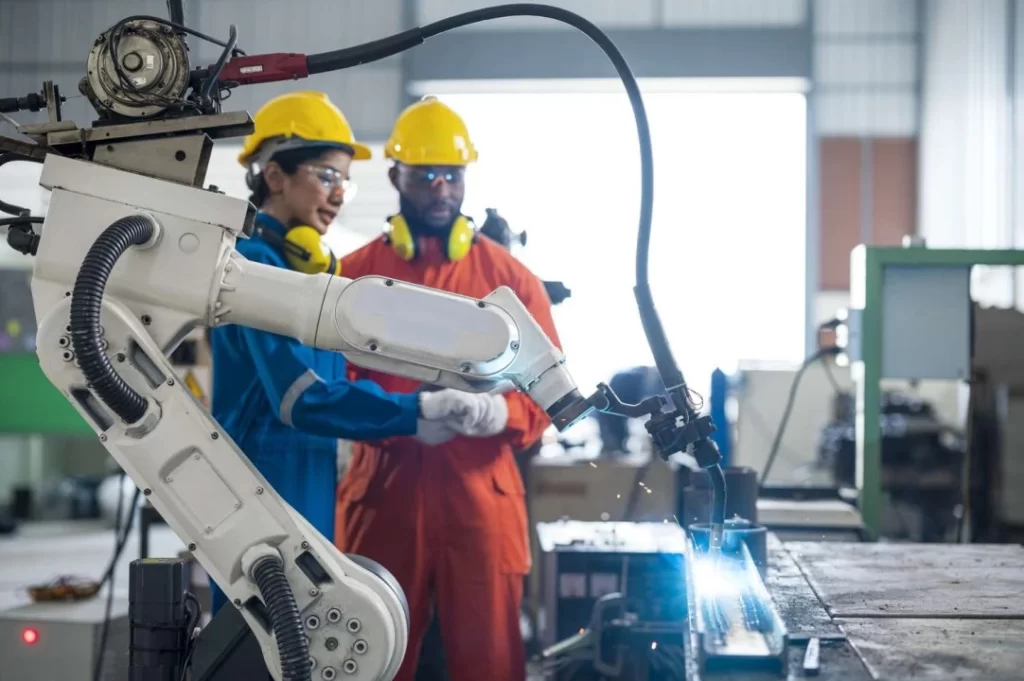
Predictive maintenance and AI
- CNC machines are increasingly fitted with IoT sensors and AI tools that monitor spindle, bearing, ball screw, and coolant system health to predict failures before they happen.
- Predictive maintenance helps cut unplanned downtime and maintenance costs, making technicians who can read and act on machine data especially valuable in modern shops.
Remote monitoring and diagnostics
- Remote monitoring platforms stream live data such as vibration, temperature, spindle load, alarms, and OEE, allowing technicians to diagnose many issues without visiting the machine initially.
- These systems let service teams prioritize calls by real machine condition, perform remote checks or adjustments when appropriate, and arrive on‑site better prepared with the right parts and tools.
Industry 4.0 in CNC maintenance
- Industry 4.0 is connecting CNC machines, robots, and inspection equipment into integrated smart factories that share data with MES and ERP systems for end‑to‑end visibility.
- Smart sensors, cloud or edge analytics, and mobile diagnostic apps are becoming standard equipment, reshaping how maintenance is planned, executed, and documented.
What this means for technicians
- Technicians who can combine hands‑on repair with data‑driven diagnostics and comfort with monitoring software will be best positioned as manufacturers push toward higher automation and near zero‑downtime operations.
- CNC Service Technicians now need skills in networking, basic IT, and data interpretation alongside traditional mechanical, electrical, and PLC troubleshooting capabilities.
Conclusion
CNC Service Technicians serve as essential machine doctors who keep Australia’s manufacturing sector running efficiently. Their specialized skills in mechanical repair, electrical troubleshooting, and diagnostic software make them invaluable assets. Strong career prospects and competitive salaries make this an excellent field for skilled tradespeople.
Dayjob Recruitment connects skilled CNC Service Technicians with top manufacturing opportunities across Australia. Our instant resume matching finds you the perfect technical role fast. Get started with your next career move today.
Do you work in the stone industry and are open to new opportunities? We run a WhatsApp Channel where we share specifically Stone Industry job openings across Australia — including roles for CNC operators, fabricators, and installers.
FAQs
What Does a CNC Technician Do?
A CNC service technician installs, maintains, diagnoses, and repairs CNC machines to keep production running—handling mechanical, electrical, hydraulic/pneumatic issues, control systems, calibration, and preventive maintenance. Dayjob Recruitment regularly recruits CNC technicians and machinists across Australia, so we understand the hands-on skills employers look for and the pathways that help candidates progress.
What Is the Highest Salary of a CNC Operator?
In Australia, the highest-paid CNC operators can earn into the low-to-mid six figures, typically in specialised, high-responsibility roles (e.g., advanced multi-axis work, tight-tolerance industries, FIFO/remote assignments, or shift-heavy sites). Actual pay depends on experience, location, industry, and overtime—Dayjob Recruitment tracks manufacturing market rates daily to help candidates and employers align on realistic salary expectations.
Is a CNC Service Technician the same as a CNC Machinist or Operator?
No. A CNC Operator or Machinist focuses on setting up machines, running parts, and checking quality, while a CNC Service Technician specializes in diagnosing and repairing mechanical, electrical, control, and calibration issues that are beyond normal production duties. The technician is responsible for keeping the machines themselves healthy and reliable rather than producing parts.
What qualifications do I need to become a CNC Service Technician in Australia?
Most employers look for a trade qualification or certificate in areas like fitting and machining, mechatronics, or electrical, plus several years of CNC machining or maintenance experience. OEM courses, PLC/electrical training, and experience with common control brands (such as Fanuc, Siemens, or Haas) significantly improve your chances of moving into a dedicated service role.
Are CNC Service Technicians still in demand with Industry 4.0 and automation?
Yes. As factories adopt smarter CNC machines, predictive maintenance, and remote monitoring, the need for technicians who can combine hands‑on repair with data‑driven diagnostics is actually increasing. Automation reduces low‑skill tasks but increases demand for technicians who can maintain, upgrade, and troubleshoot these more complex systems.